From September 16 to 18, 2026, the First China Green Convention & Exhibition Conference (CGCEC 2026) was successfully held at the National Convention and Exhibition Center (Tianjin). Co-organized by the International Convention & Exhibition Economy Committee of the China Association for International Economic Cooperation (ICEEC), the Exhibition Working Committee of the National Federation of Urban Industrial Products Trading Centers, the Global Expo Media Platform, and the China Green Convention & Exhibition Service Platform, the conference served as a key parallel event of the 2026 Green Low-Carbon Expo. It brought together hundreds of guests from government authorities, industry associations, exhibition organizers, venue operators, and service providers across the value chain.
At the main forum on the morning of September 17, Gao Yuanyuan, President of the China Association for International Economic Cooperation; Gao Zijian, Vice President of the National Convention and Exhibition Center (Tianjin) Co., Ltd.; and Liu Xinguo, Deputy Director-General of the Tianjin Municipal Commerce Bureau and Deputy Director of the Tianjin Convention and Exhibition Bureau, attended and delivered remarks.
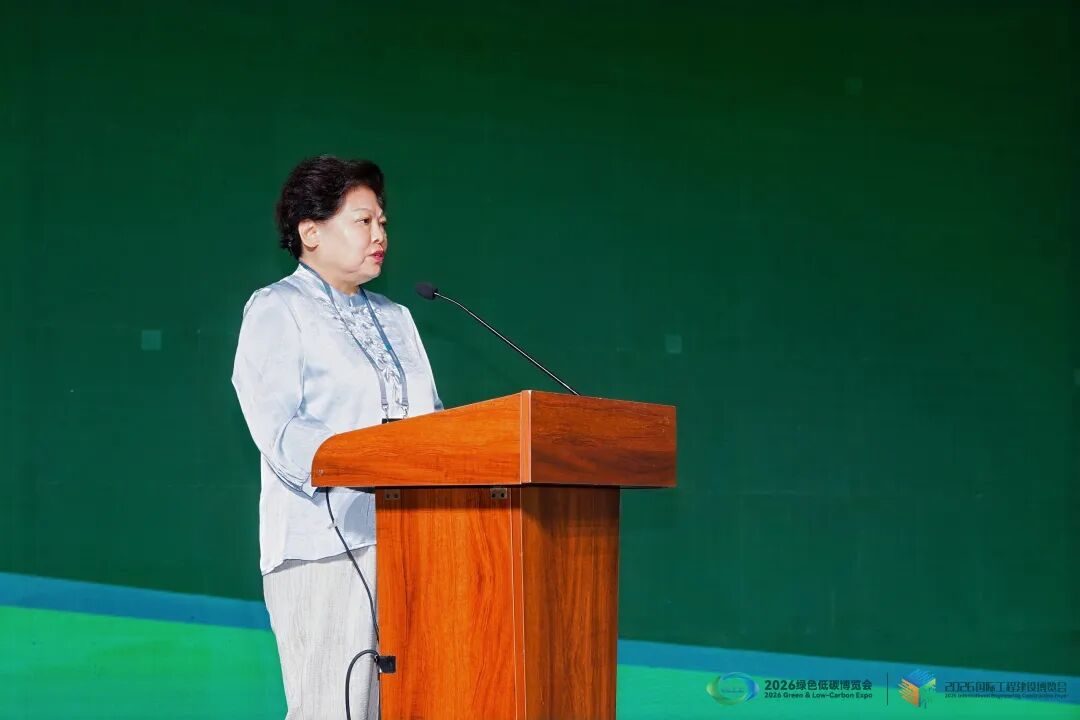
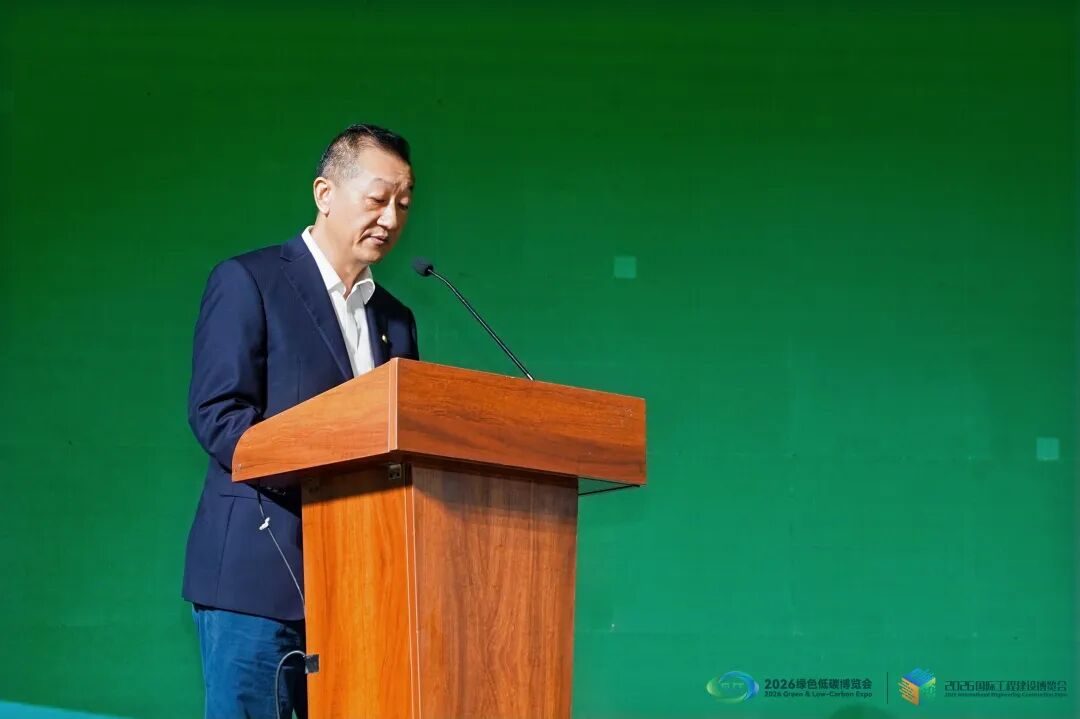
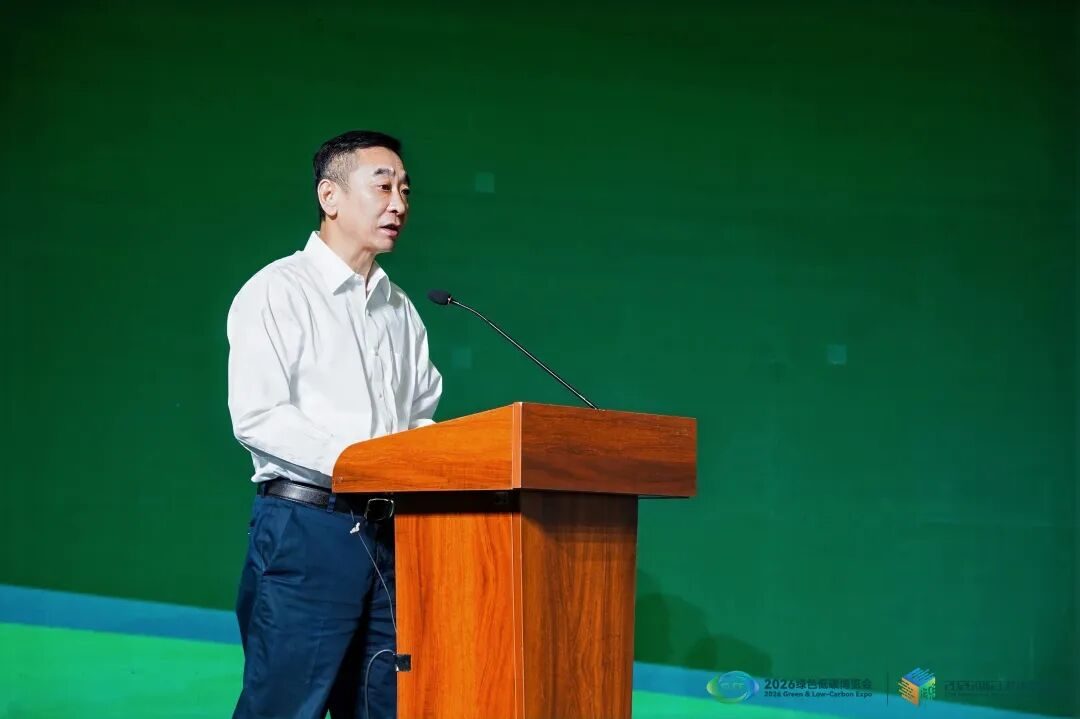
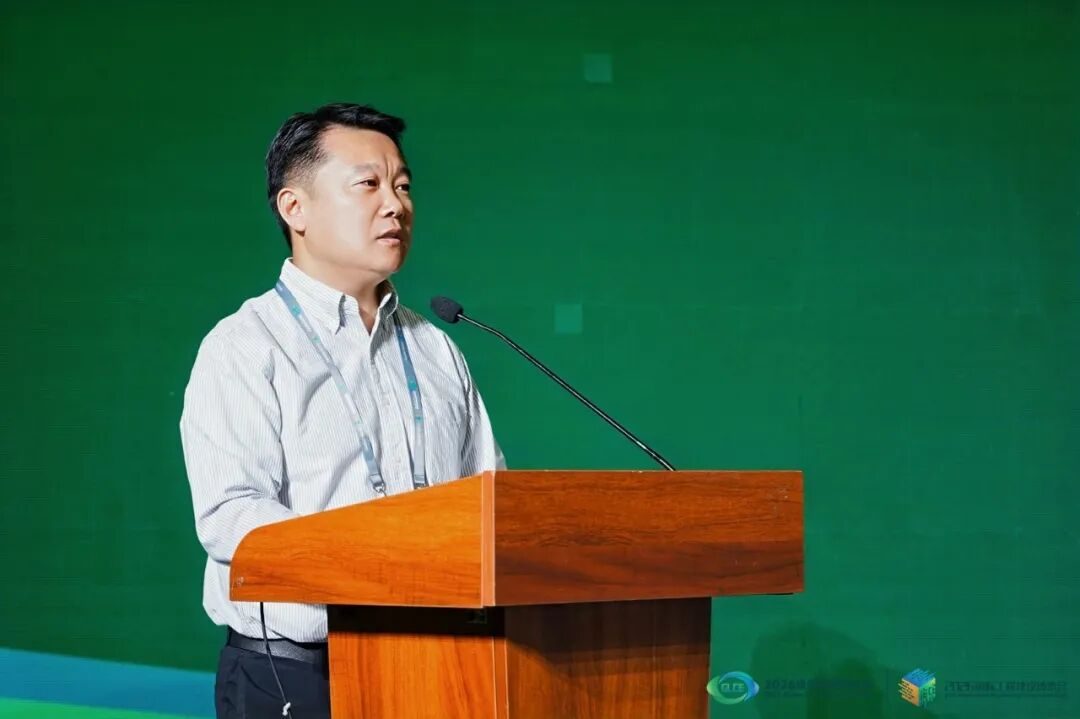
Lu Cheng, Deputy Director and Secretary-General of the International Convention & Exhibition Economy Committee (ICEEC), hosted the plenary session on the morning of September 17. In her remarks, Gao Yuanyuan noted that green conventions and exhibitions are a concrete action to implement Xi Jinping's thought on ecological civilization, serve the national "dual carbon" strategy, and advance the joint development of a green Belt and Road. The green transformation of China's exhibition industry requires joint development across the entire value chain.
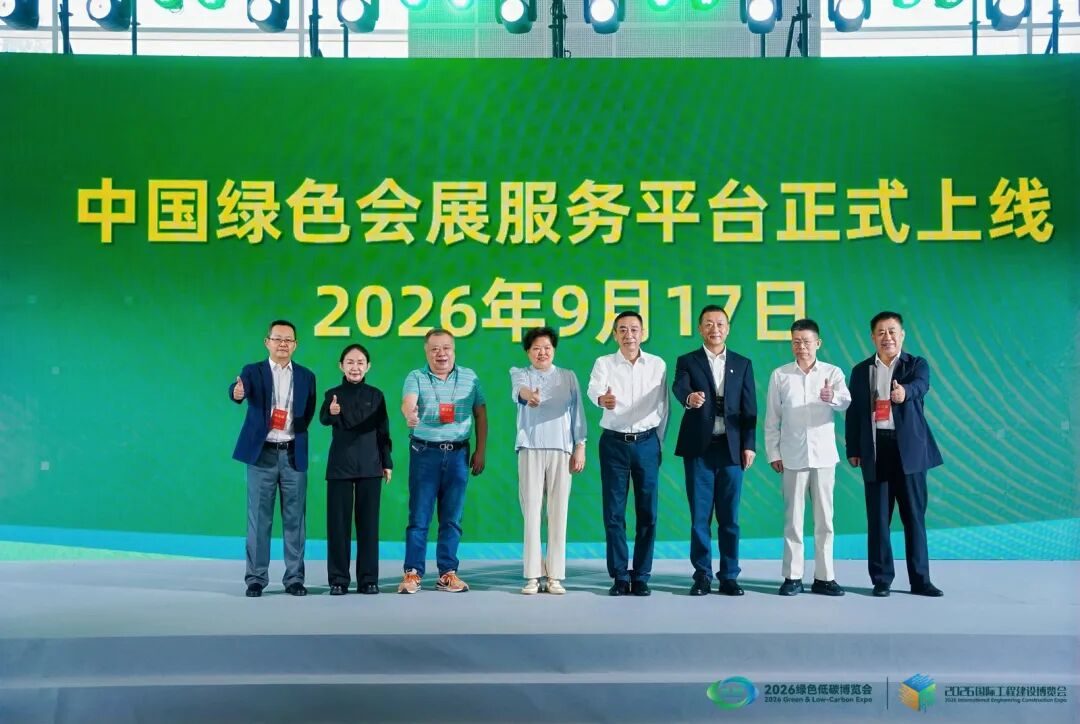
The China Green Convention & Exhibition Service Platform, jointly developed by ICEEC and several industry institutions, was officially launched. Gao Yuanyuan; Chen Yongqing, former Director-General of the Department of Soil Ecology and Environment of the Ministry of Ecology and Environment; Zhang Yijun, former Minister-Counselor of the Chinese Embassy in Kenya; Yu Jie, Vice Chair of the Agriculture and Rural Affairs Committee of the China Democratic League; Liu Xinguo; Zhu Yongyi, Chairman of the China Commodity Trading Market Council; Fan Peikang, Chairman of ICEEC and former President and Editor-in-Chief of China Trade News; and Gao Zijian jointly initiated the launch. Positioned as a comprehensive public-service platform integrating "standards search, tool support, resource matching, and case sharing," the platform provides digital support for the industry.
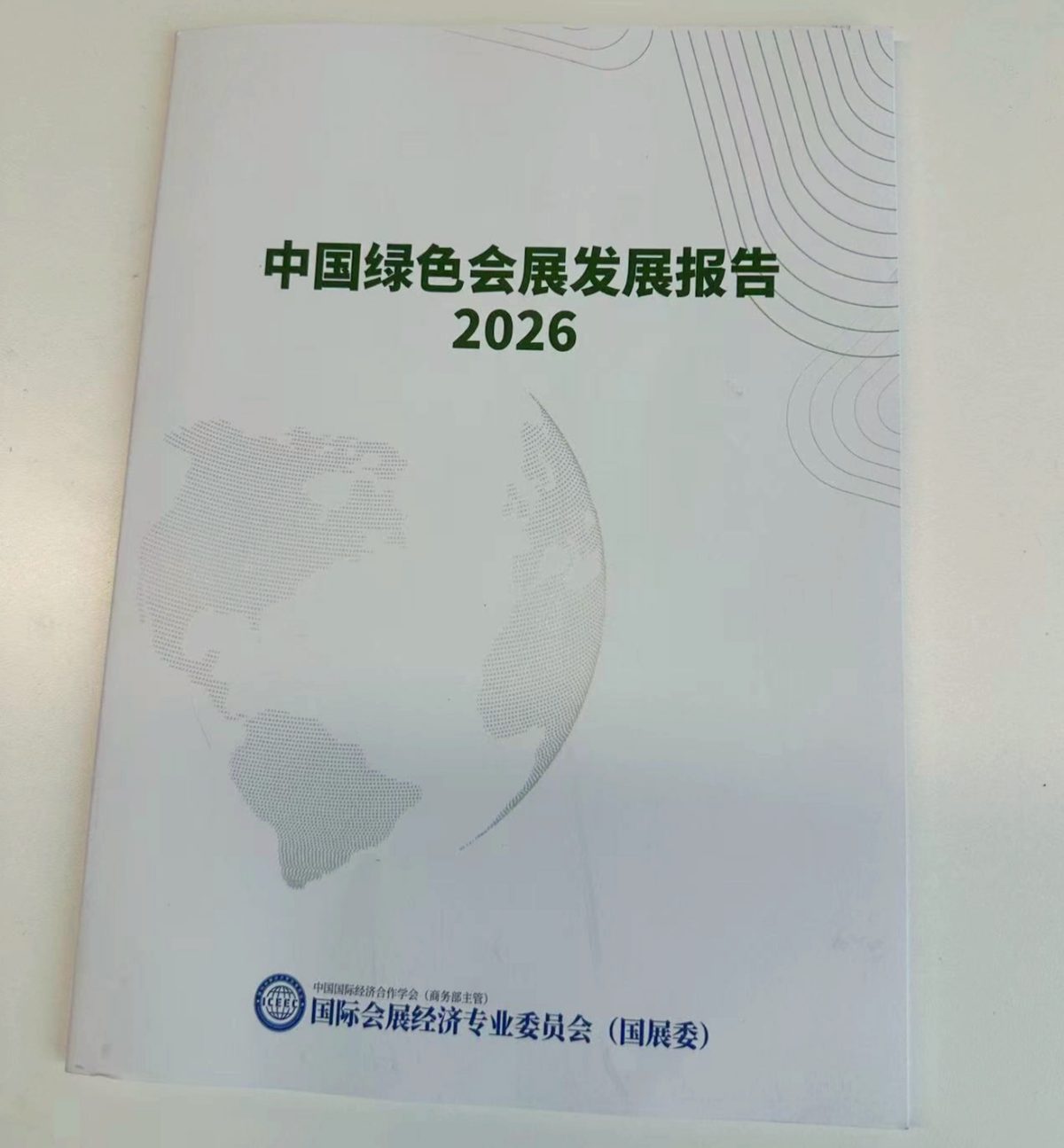
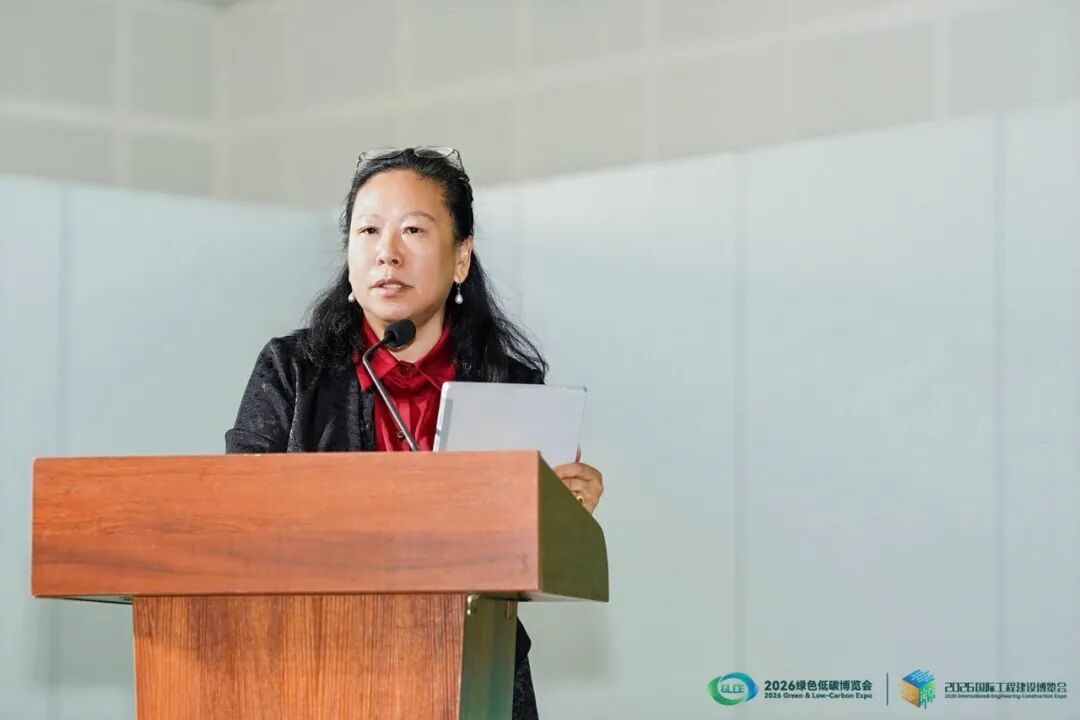
As a major highlight of the event, the China Green Convention & Exhibition Development Report (2026) was officially released on September 17. Ying Lijun, chief editor of the Report, Deputy Chair of ICEEC, and Deputy Director of the Academic Committee of the China Society for Exhibition Economy, provided an in-depth interpretation of the Report's core ideas, research framework, and key insights. For the first time, the Report examines the green and low-carbon development of the exhibition industry from the perspective of "momentum drivers," making clear that green conventions and exhibitions represent a profound restructuring of the industry's value system, operating models, and industrial ecosystem.
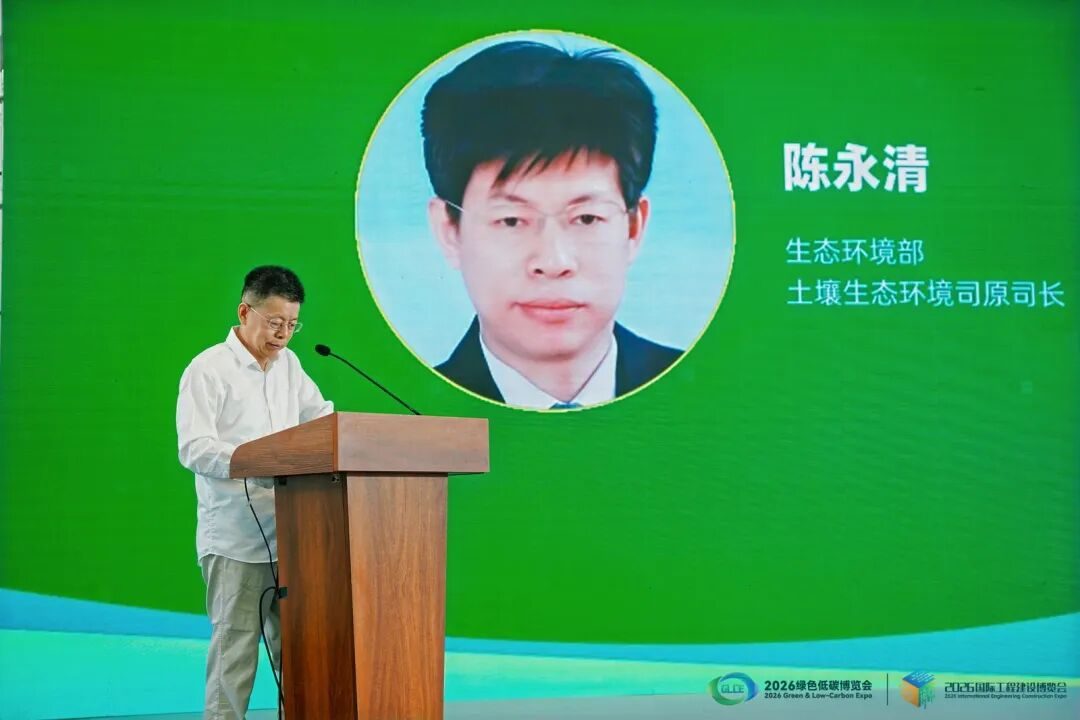
Chen Yongqing systematically reviewed the policy system and technical pathways for carbon neutrality at large-scale events, proposing a development direction of "deep emission reduction at source, standards leadership, and market empowerment."
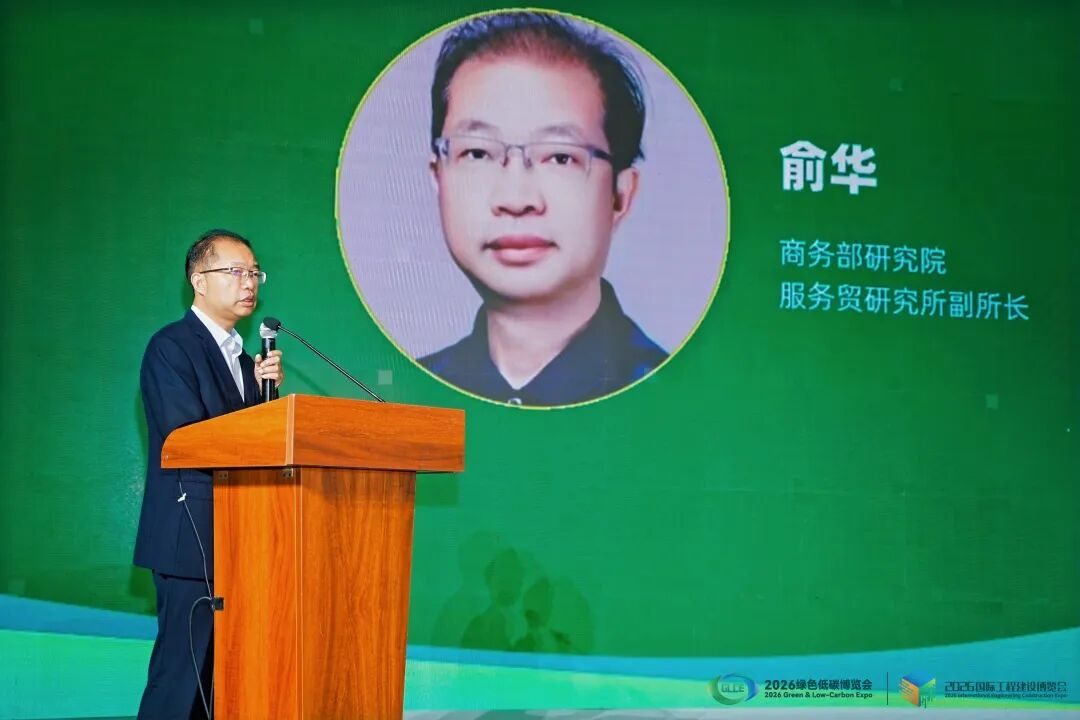
Yu Hua, Deputy Director of the Institute of Trade in Services at the Chinese Academy of International Trade and Economic Cooperation, analyzed five major new trends in green exhibition organization, including the normalization of policy support, full life-cycle management, and the coordinated advancement of digitalization and greening. He also highlighted practical challenges such as cost pressures facing small and medium-sized exhibitions and uneven implementation of standards.
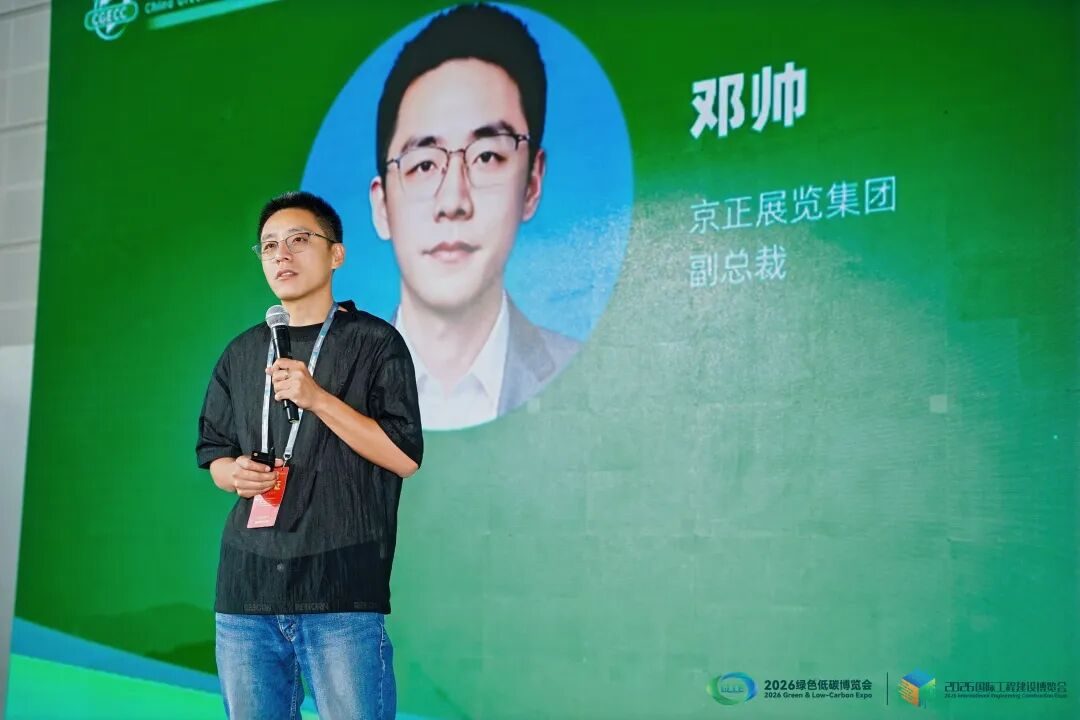
Deng Shuai, Vice President of Jingzheng Exhibition Group, shared his company's deep understanding of green exhibition practices gained over its development, speaking as a representative of exhibition organizers.
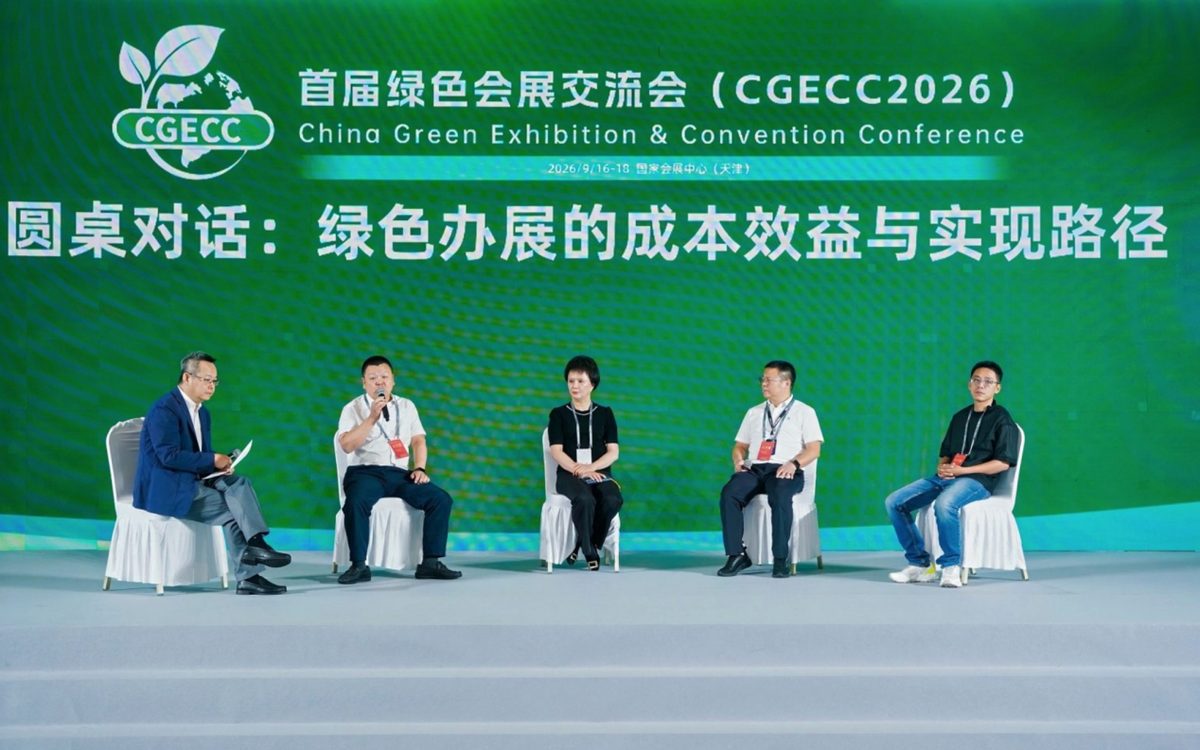
The conference featured a roundtable dialogue hosted by Fan Peikang, Chairman of ICEEC and former President and Editor-in-Chief of China Trade News. Participants included Zhao Chuang, Deputy Chair of ICEEC and Director of the National Exhibition Work Committee; Zhang Lijuan, Director of the International Cooperation Division of the China Chamber of International Commerce; Wu Furong, Vice President of Huamo Exhibition Group; and Deng Shuai. They engaged in a lively exchange on the cost-effectiveness and pathways of organizing green exhibitions. The guests agreed that while green transformation increases costs in the short term, it is an essential path to greater competitiveness in the long run. Addressing the cost challenge requires policy guidance and support, coordination and sharing across the value chain, and the enabling role of digital technology. The dialogue offered rich ideas and inspiration for the industry.
On the afternoon of September 17, dedicated sessions were held on green display and on industry-education collaboration for green conventions and exhibitions.
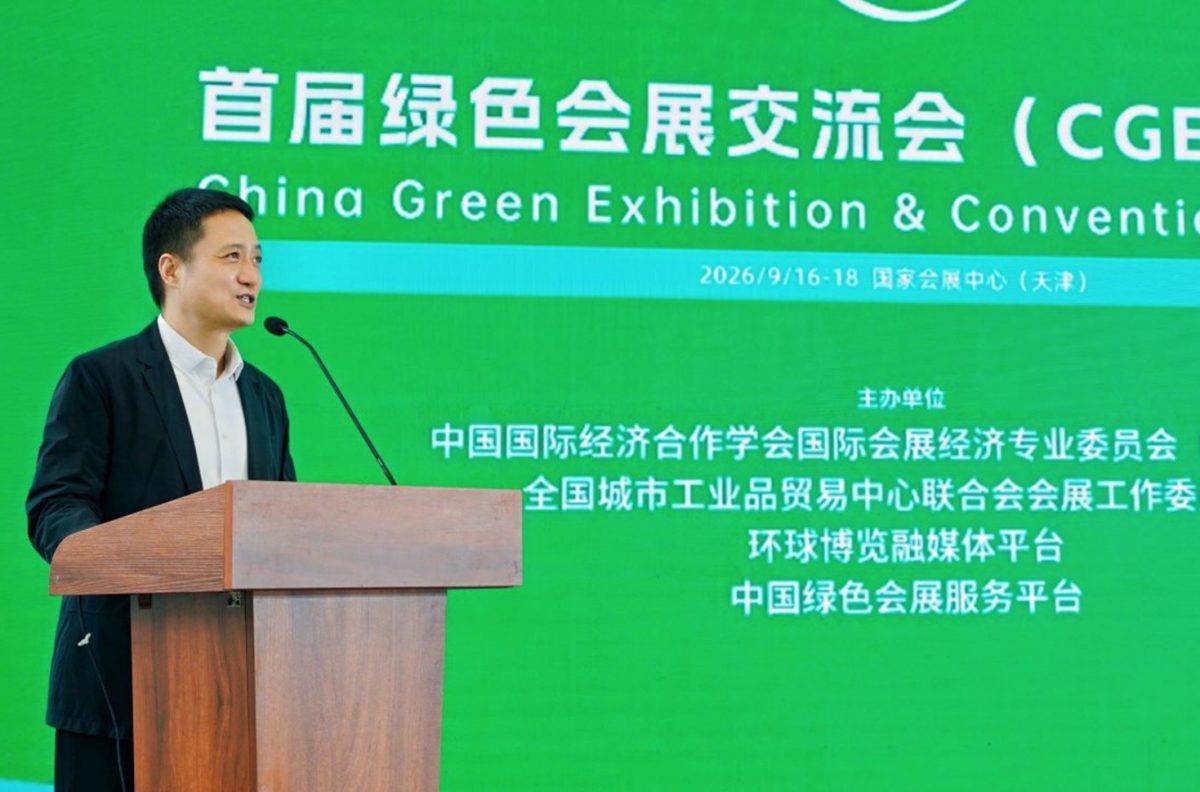
Li Qi, Executive Director of Beijing Pico Exhibition & Display Co., Ltd., shared full-chain green practices using the 2024 Sibos conference in Beijing as a case study.
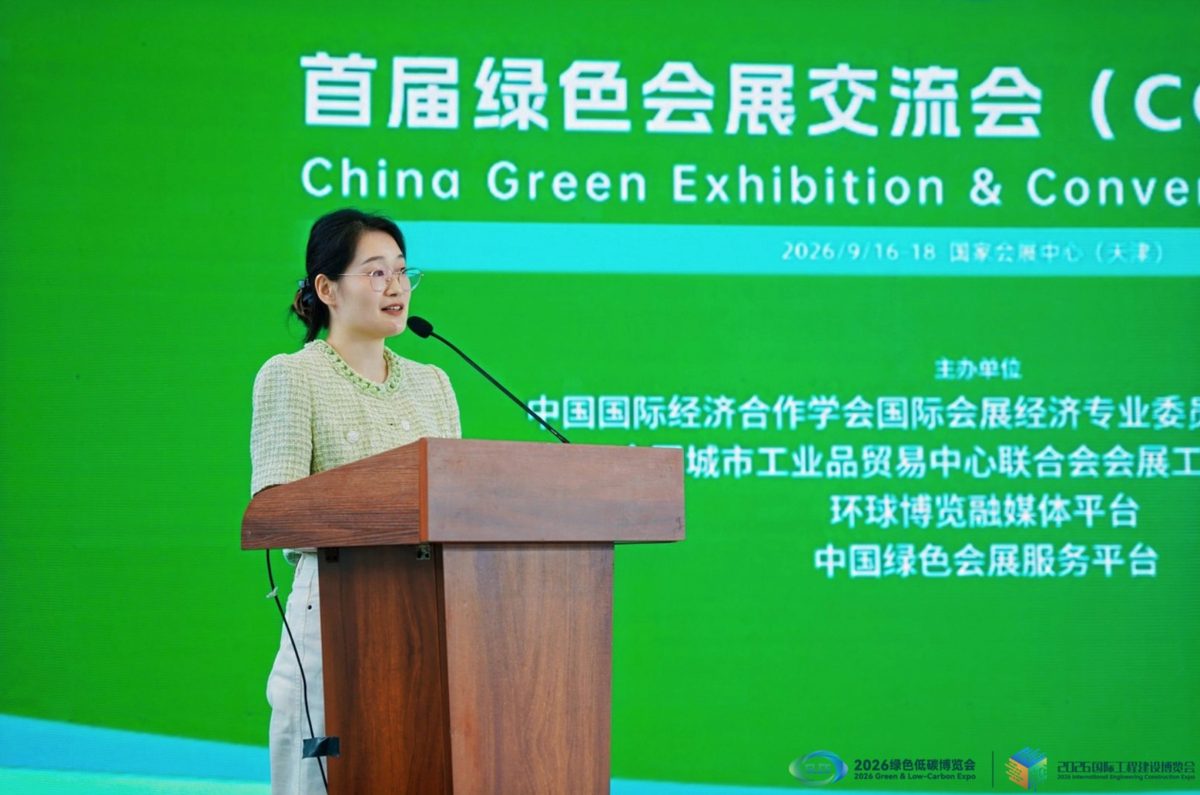
Huang Yuan, a researcher at the CCPIT Commercial Industry Committee, introduced global trends in net-zero carbon conventions and exhibitions and China's breakthroughs in international standards.
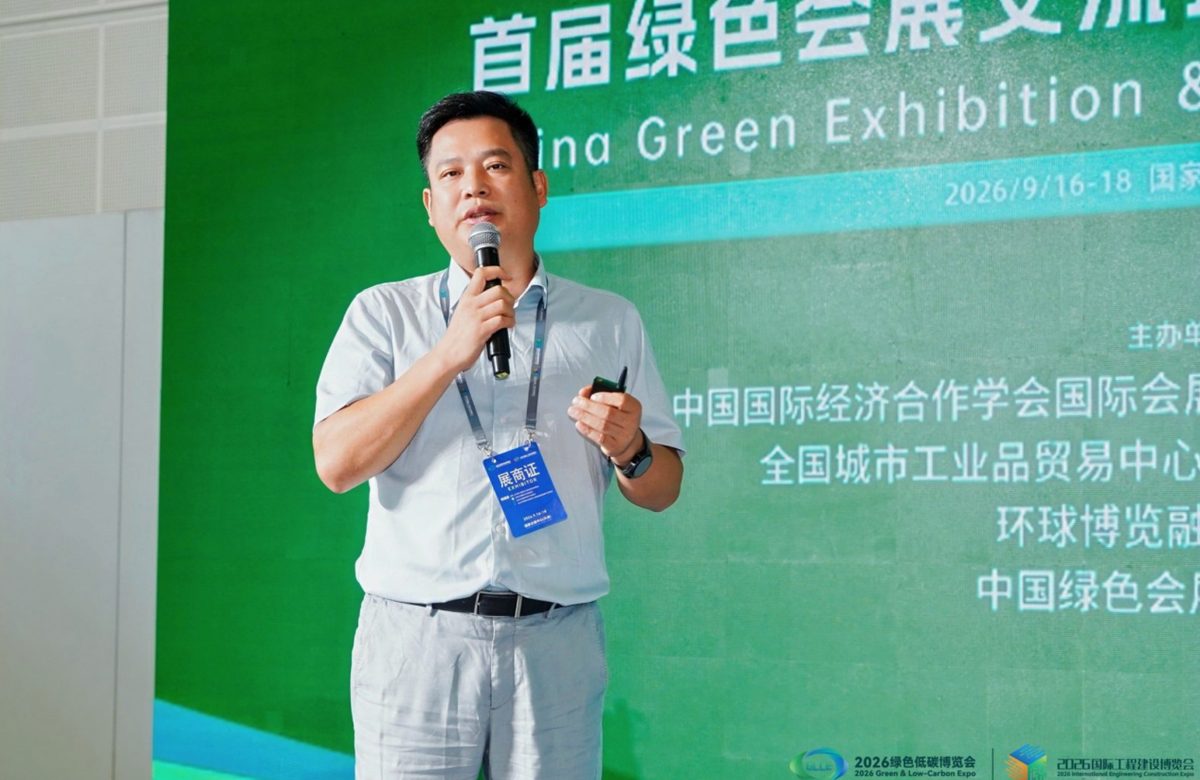
Zhang Zhenqiang, General Manager of Hangzhou Bailuda New Materials Technology Co., Ltd., showcased the large-scale application of paper-based plant fiber materials.
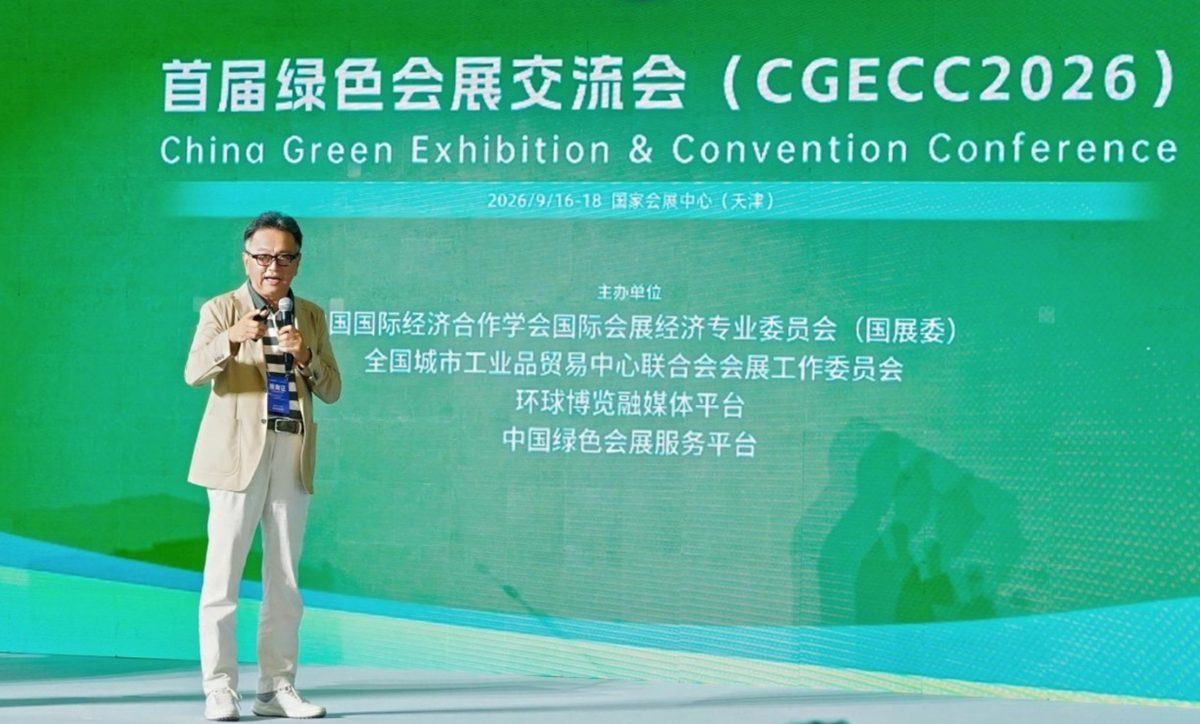
Sun Xiaoqiu, Chairman of Changzhou Hawk Display Systems Co., Ltd., released the company's third-generation integrated modular rapid-installation display system.
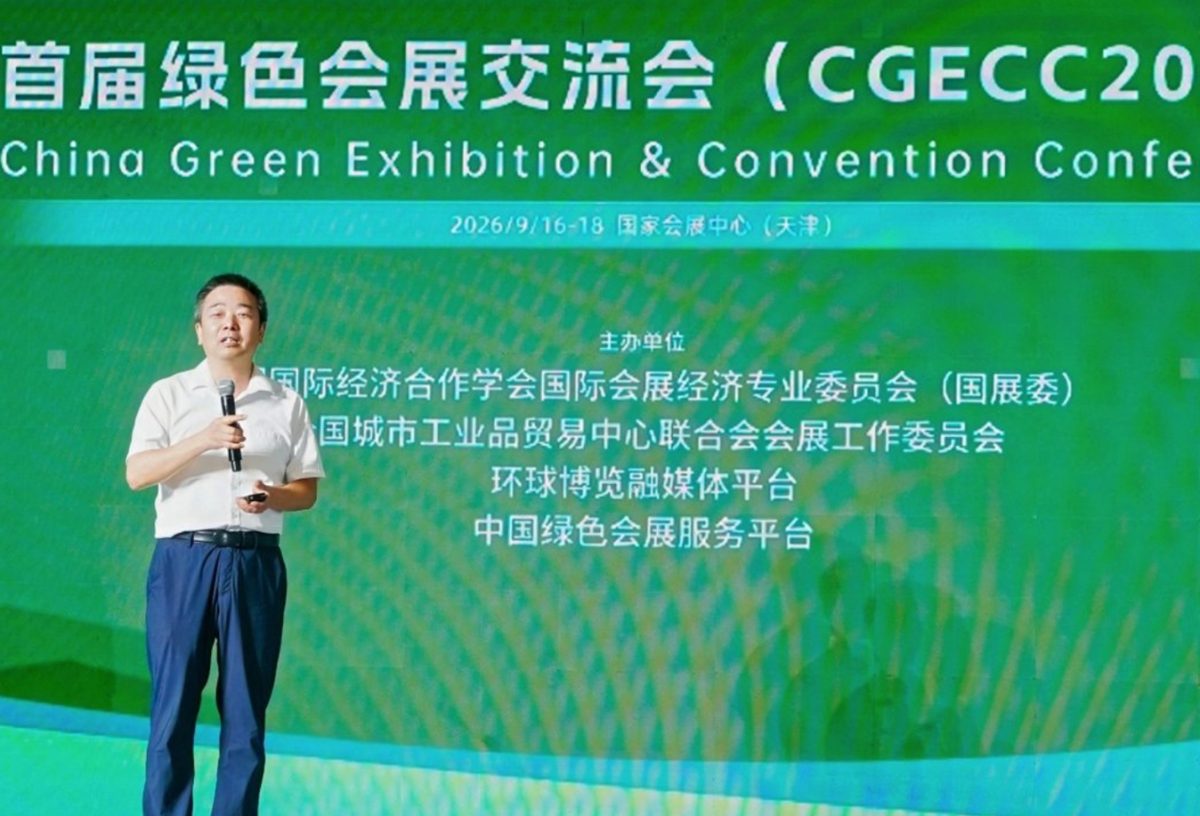
Yang Qi, Director of the Convention and Exhibition Research Institute at Tianjin University of Commerce, pointed out that one of the industry's biggest bottlenecks is the persistent shortage of versatile green exhibition professionals.
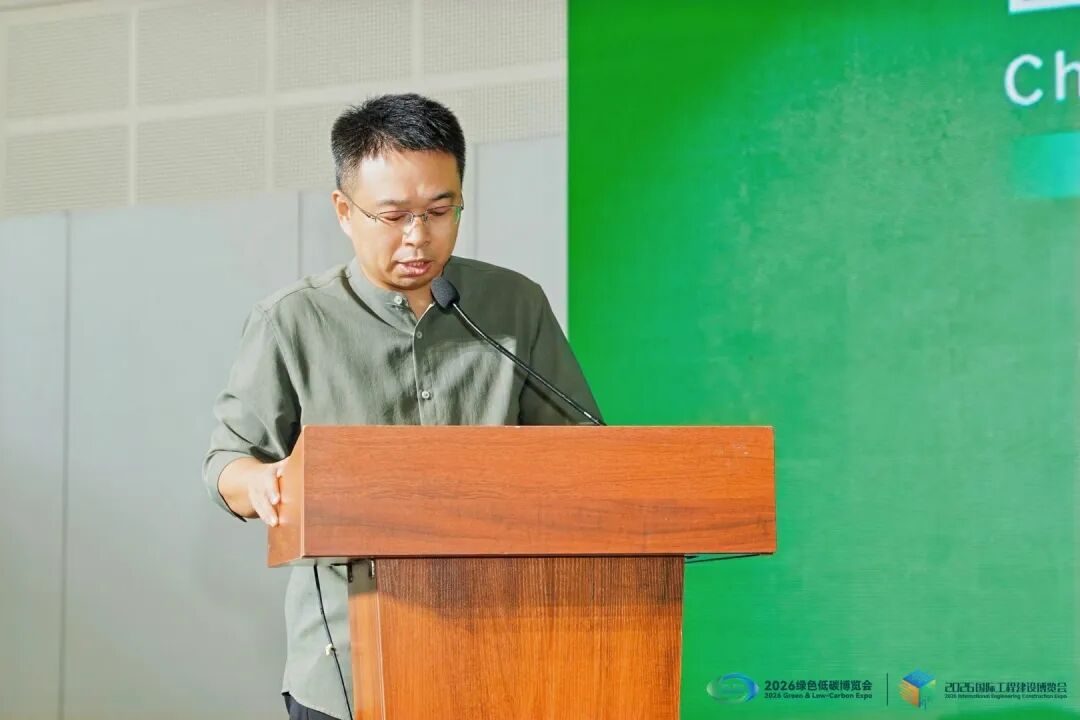
Liang Jianfeng, a core member of the National High-Quality Convention & Exhibition Industry-Education Community, introduced the country's first mutual-recognition program in the exhibition field, combining vocational skill certificates, enterprise certification, professional titles, and international certificates.
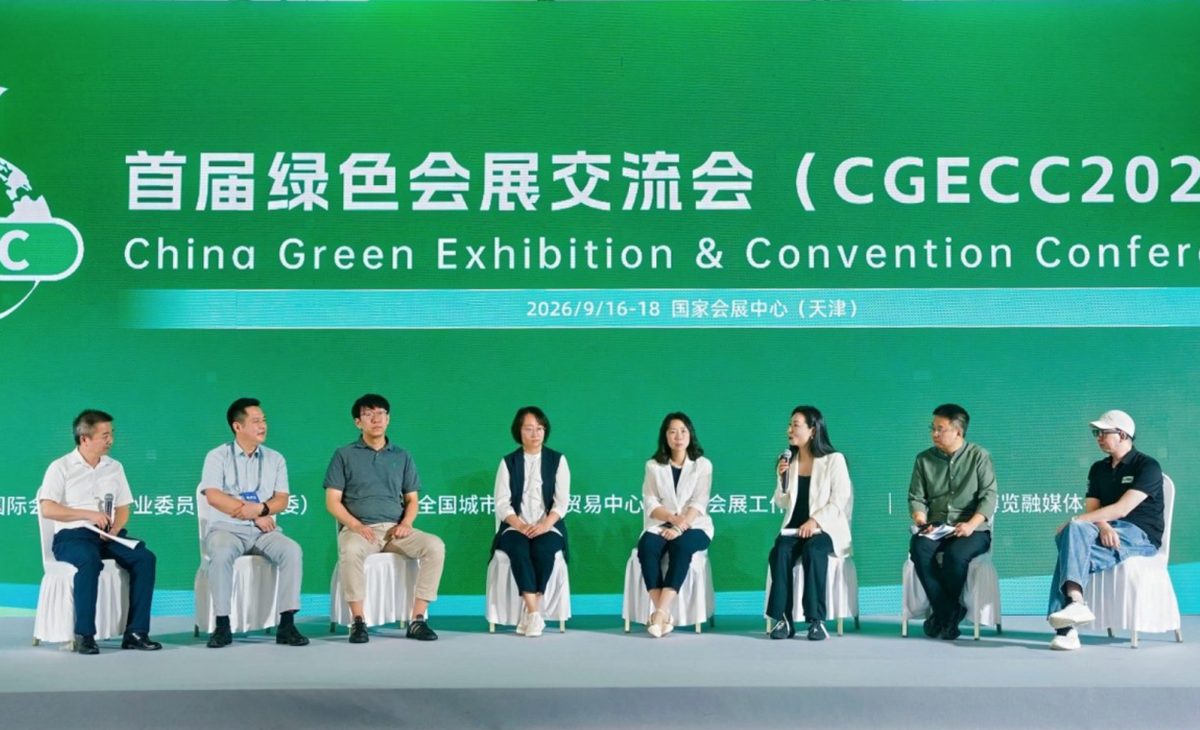
The roundtable was moderated by Yang Qi, Director and associate professor of the Convention and Exhibition Research Institute at Tianjin University of Commerce. Participants included Yang Xin, associate professor at Beijing City College and head of the Leisure, Culture and Tourism Department; Yue Hui, dean of the convention and exhibition program at Tianjin College of Commerce; Guo Jin, deputy head of the Advertising Department and head of the Convention and Communication Center at Beijing Institute of Graphic Communication; Bai Yang, head of the Convention and Exhibition Economy and Management program at Hebei University of Environmental Engineering; Liang Jianfeng; Zhang Zhenqiang; and Dong Jun, Deputy Director of the Green Convention & Exhibition Innovation Center. Drawing on their teaching experience, the guests shared practical challenges and explorations in building green exhibition curricula and expressed the hope that more green exhibition enterprises would take part in industry-education cooperation. Enterprise representatives responded on site, welcoming long-term cooperation with institutions to jointly develop courses and build training bases, so that frontline green practices can be turned into vivid teaching content.
The agenda on the morning of September 18 focused on standardization and digital intelligence.
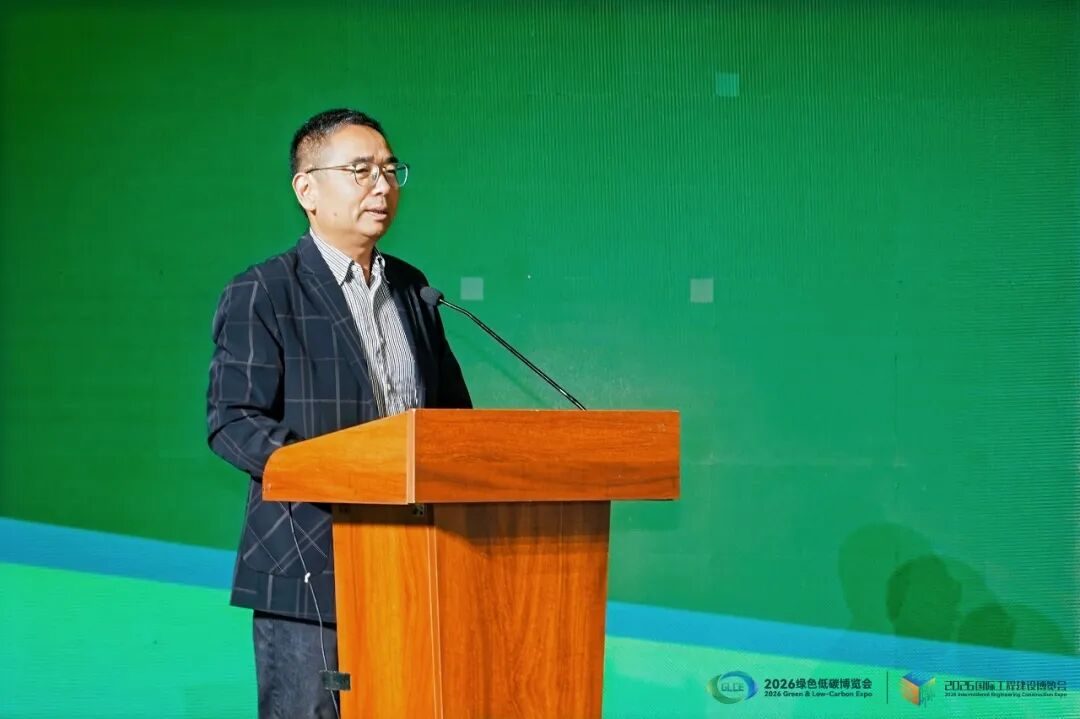
Tang Guifa, Deputy Chairman of the National Technical Committee for Convention and Exhibition Standardization, emphasized that standardization is key to addressing the industry's high resource consumption and extensive operating models: "The earlier we reform, the better."
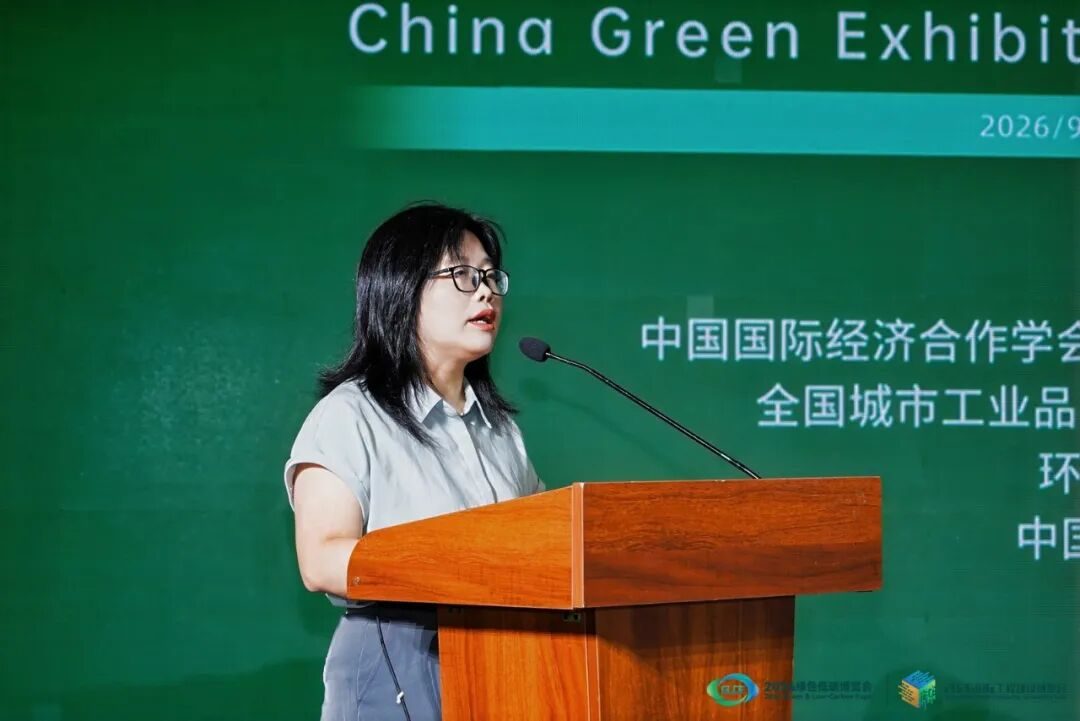
Wu Zhenzhen, Senior Manager of the Assessment Section in the General Management Department of the China Foreign Trade Centre, systematically presented three national standards. The Guidelines for the Evaluation of Green Stands set core quantitative targets such as a 100% recycling rate for main structural materials and a reuse rate of no less than 70% for equipment. The Guidelines for Green Exhibition Operations establish a coordination matrix of four parties and five stages. The Basic Requirements for Safety Management of Exhibition Venues build a safety management system covering four major areas and 19 aspects.
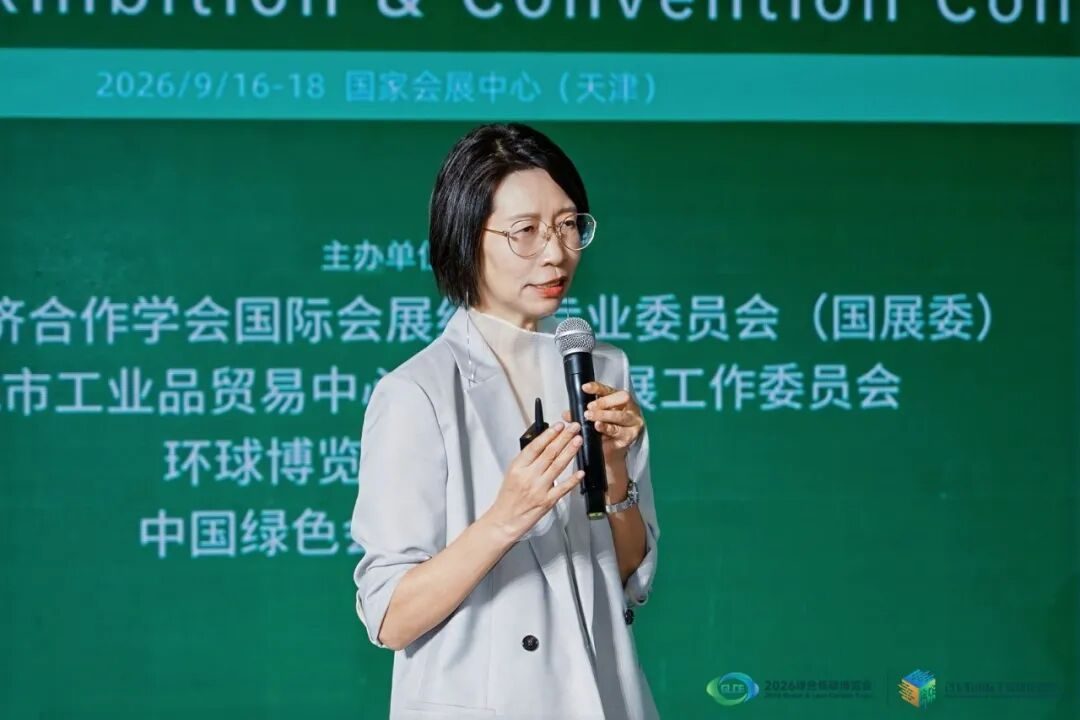
Luo Qiuju, Professor at the School of Tourism Management of Sun Yat-sen University, identified four major trends in the international exhibition industry: a common language (systematization of international standards), demonstration and implementation (green power, circularity, and ESG), modularization (addressing cost and efficiency challenges), and AI-driven transformation (enabling faster, more precise, and more personalized green construction).
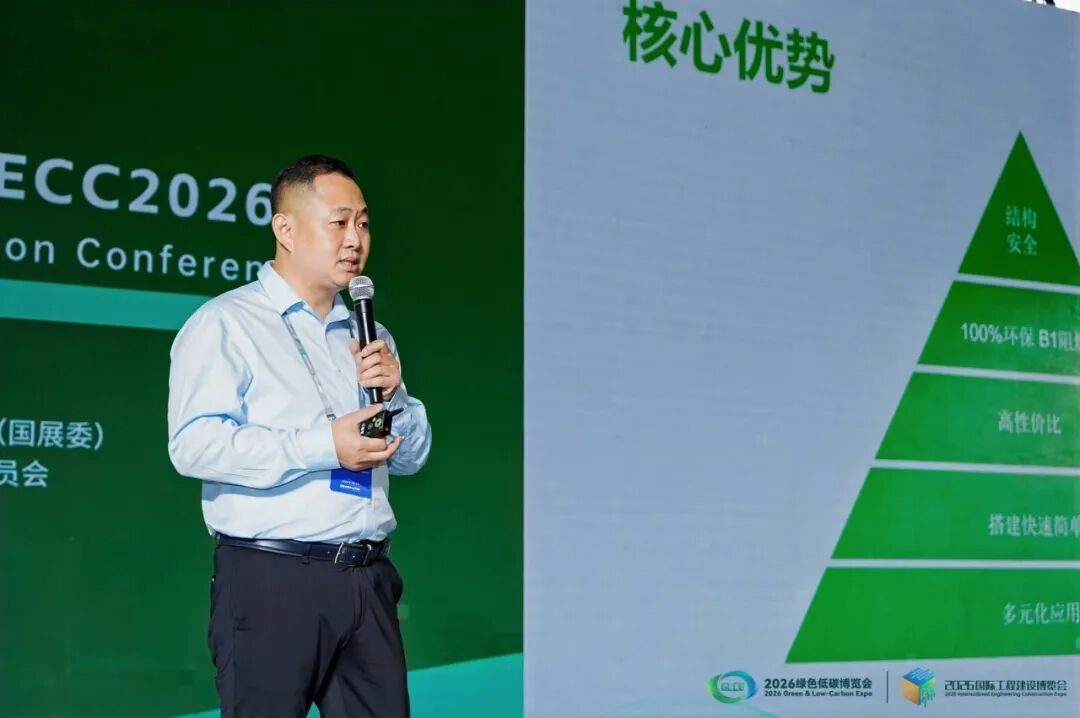
He Guanghui, founder of Yida Environmental Protection Technology, showcased modular green construction products that cost over 30% less than traditional construction of the same design and enable rapid delivery of a 36-square-meter booth within three hours.
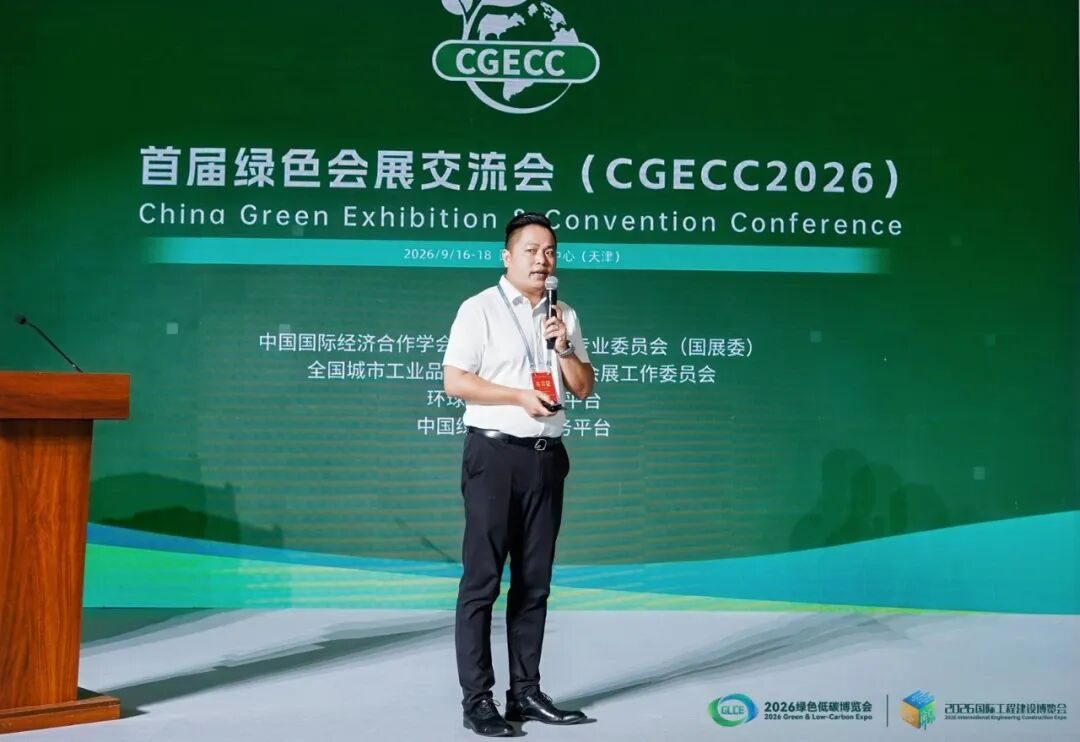
Chen Yi, Vice President of Omateng Convention & Exhibition Technology, shared applications of AI in booth design.
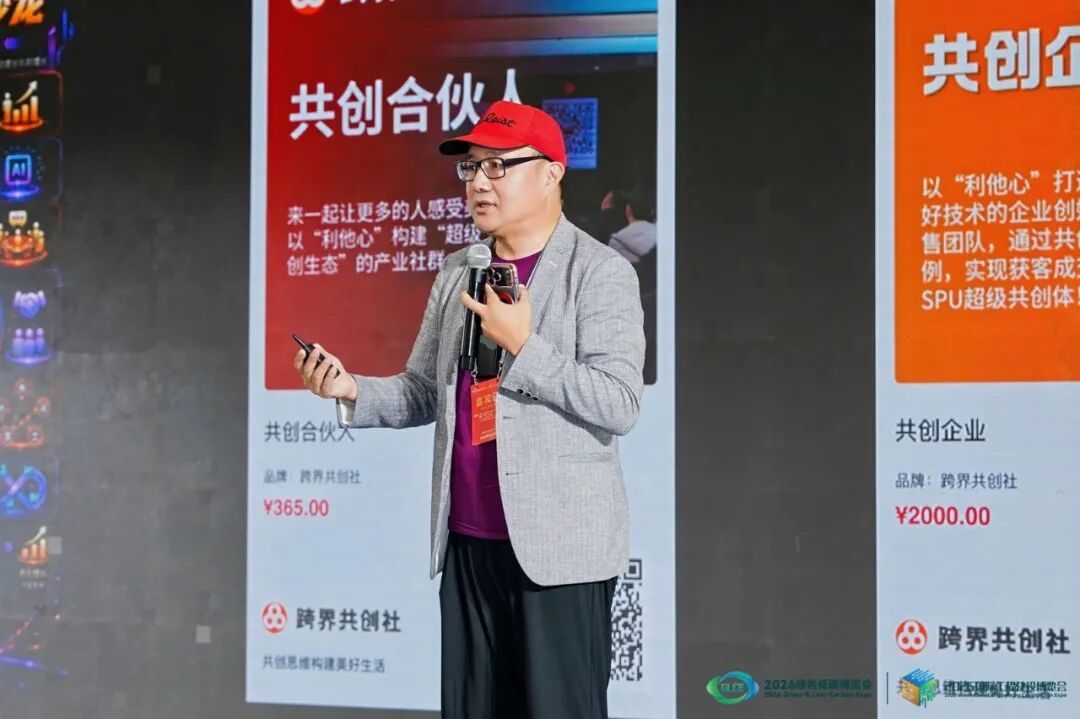
Zhou Jinglong, CEO of DaoTong Co-creation Technology, suggested that in the AI era, in-person face-to-face communication becomes more valuable, and the industry should eliminate "scene waste" and make good use of data assets.
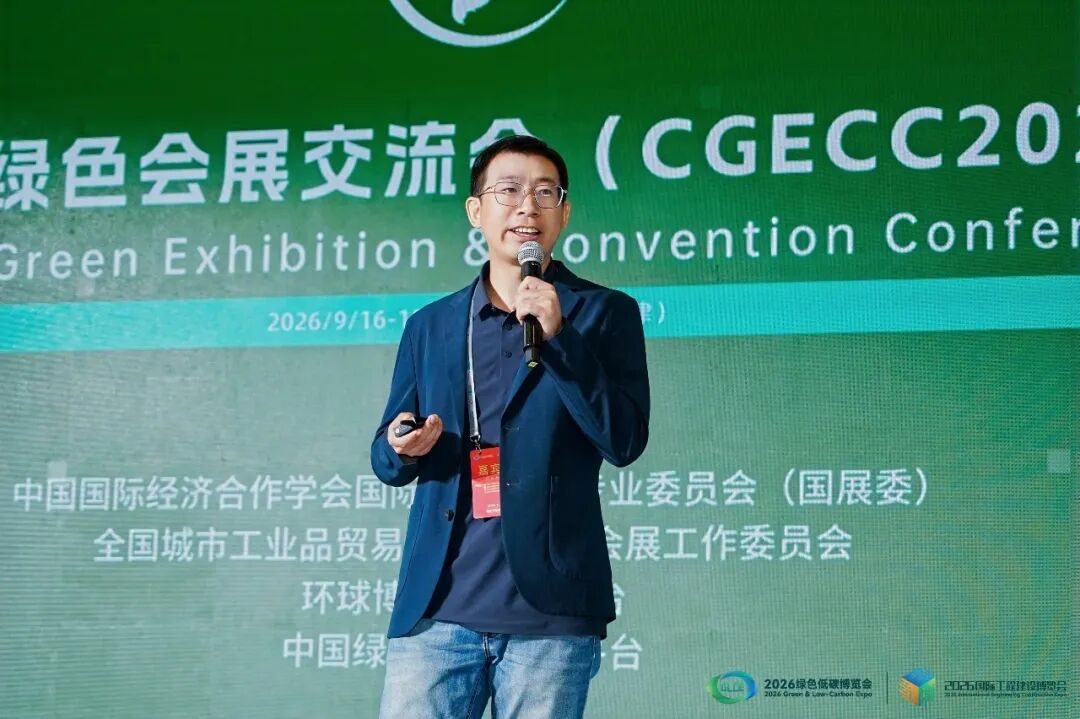
Li Bowen, CEO of Xuexing Culture, pointed out that the matching logic of B2B exhibitions should shift from "products matching people" to "people matching people," using AI to turn exhibition outcomes from "unknown" into "certain."
The two-and-a-half-day 2026 First China Green Convention & Exhibition Conference concluded successfully. From the macro-level consensus at the main forum to technology implementation in dedicated sessions, and from standards communication to digital-intelligence empowerment, the conference comprehensively presented cutting-edge explorations in the green transformation of China's exhibition industry. With the implementation of the three national standards, the launch of the China Green Convention & Exhibition Service Platform, the release of the China Green Convention & Exhibition Development Report (2026), and in-depth sharing and demonstration of new technologies such as AI and modularization, the conference not only built a high-level industry exchange platform in China's green exhibition field, but also provided solid support for Chinese exhibitions to move from being "renowned in China" to being "renowned globally," helping China's exhibition industry steadily advance toward a new stage of coordinated standardization, greening, and digital-intelligence development.